
loading

Category: Doctor Solar App

  • Home
  • Category: Doctor Solar App
From Installation to Lifespan Care: Why Your Solar Project Needs a Doctor from Day One

From Installation to Lifespan Care: Why Your Solar Project Needs a Doctor from Day One

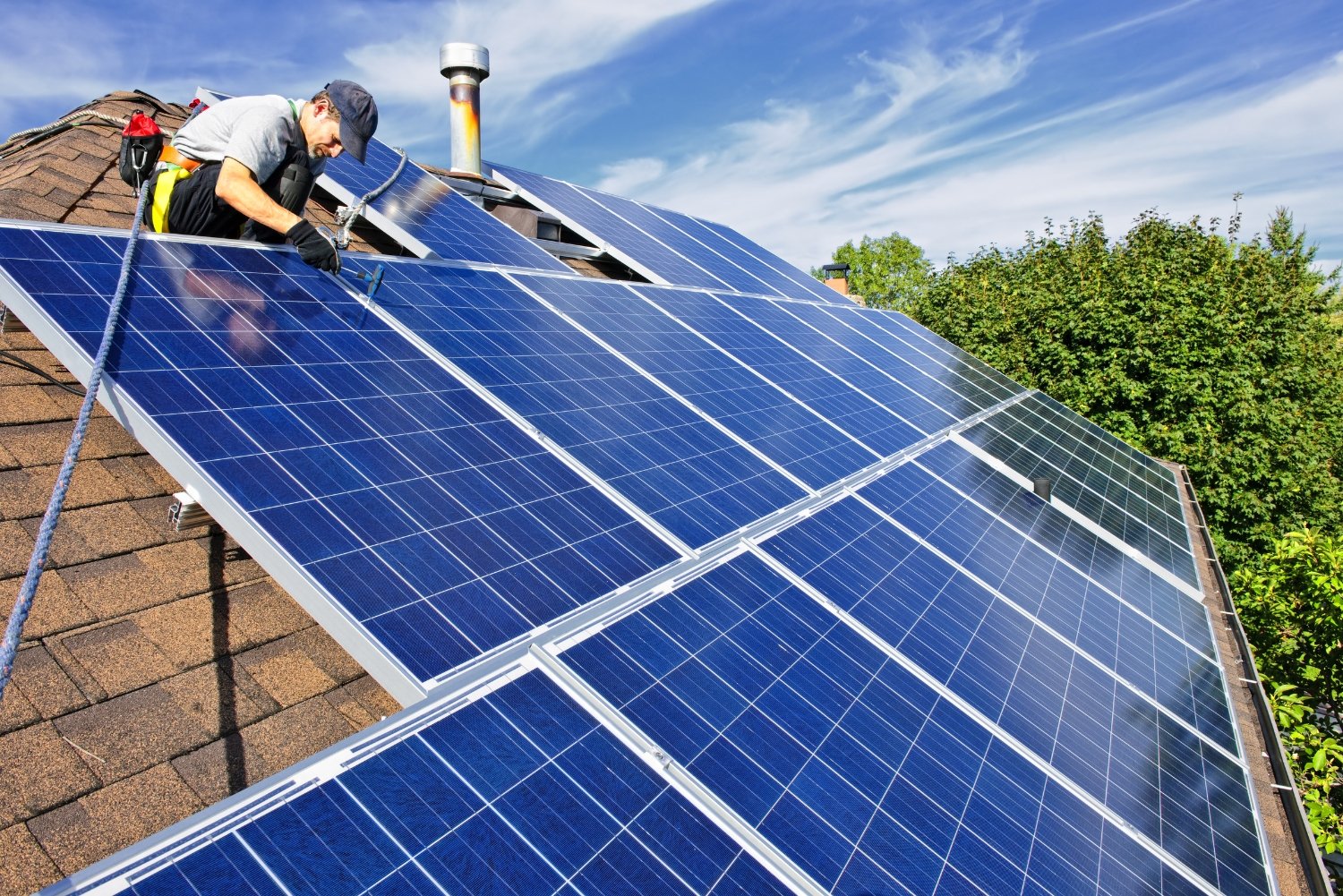
Solar power is a smart, long-term investment, but like any sophisticated system, it requires ongoing care. From the moment a solar project is installed, proactive maintenance and monitoring are essential to ensure maximum power generation, efficiency, and longevity.

At The Doctor Solar, we treat solar plants like patients—providing expert check-ups, cleaning, repairs, and diagnostics to keep systems healthy throughout their lifespan. This article explains why your solar project needs a “doctor” from day one.

1. The Importance of Early Maintenance

Just as a new patient needs an initial health check, a newly installed solar project benefits from early professional attention:

  • Verification of installation quality: Ensuring panels, inverters, and wiring are installed correctly.
  • Baseline performance metrics: Recording initial energy output to monitor long-term efficiency.
  • Immediate detection of defects: Catching manufacturing faults or installation errors early saves costly repairs later.

Early maintenance sets the foundation for reliable solar system performance and long-term ROI.

2. Regular Check-Ups for Long-Term Performance

Even perfectly installed solar systems require ongoing maintenance to remain efficient:

  • Panel cleaning: Dust, bird droppings, and pollution reduce sunlight absorption and power output.
  • System diagnostics: Detecting inverter errors, wiring issues, or shading problems.
  • Performance optimization: Adjusting settings, recommending upgrades, and maximizing power generation.

Routine check-ups prevent minor issues from escalating into major performance losses.

3. Benefits of Treating Your Solar Project Like a Patient

a) Maximize Power Generation

  • Clean, well-maintained panels absorb sunlight effectively.
  • Optimized inverters and wiring ensure energy conversion efficiency.

b) Extend System Lifespan

  • Preventive maintenance reduces wear and tear.
  • Early detection of faults prevents premature failures.

c) Cost Savings

  • Avoid expensive repairs by addressing issues early.
  • Reduce electricity costs through higher energy production.

d) Predictable Performance & ROI

  • Accurate performance monitoring helps forecast energy generation and savings.
  • Makes solar investment more reliable and profitable.

4. Key Services Provided by Solar “Doctors”

At The Doctor Solar, we offer a full suite of expert solar maintenance services:

  1. Expert Maintenance & Check-Ups – Regular inspections to ensure all components function optimally. 
  2. Advanced Cleaning Solutions – Eco-friendly, chemical-free cleaning to maintain panel efficiency.
  3. Detailed Reports & Analysis – Comprehensive reports for system health and energy generation.
  4. Performance Optimization – Identifying bottlenecks and improving overall system output.
  5. System Upgrades & Repairs – Replacing outdated components to enhance longevity.
  6. AMC & Expert Support – Annual maintenance contracts for stress-free care.

These services ensure every solar project receives care from day one, reducing downtime and maximizing benefits.

5. Role of Technology in Solar Project Care

Modern solar maintenance apps streamline monitoring and service management:

  • Real-time system monitoring: Detect issues before they escalate. 
  • One-click service booking: Schedule cleaning, repairs, or upgrades quickly.
  • Performance reports & analytics: Gain insights for better decision-making.
  • Professional technician coordination: Ensures efficient on-site maintenance.

Technology allows solar projects to stay healthy, efficient, and future-ready.

6. Why Every Solar Project Needs a Doctor

Think of your solar project as a living system:

  • Neglect can lead to decreased power generation, costly repairs, and shorter system life.
  • Professional care ensures early problem detection, consistent output, and long-term sustainability.
  • With proper maintenance, your solar investment delivers maximum ROI and supports clean, reliable energy production for years.

Conclusion

From the moment your solar panels are installed, proactive maintenance is the key to long-term efficiency, safety, and reliability. By engaging expert solar services from day one, you ensure optimal power generation, prevent costly breakdowns, and extend your system’s lifespan.

Treat your solar project like a patient, and it will reward you with consistent, sustainable energy and a strong return on investment for decades to come.

Decoding Your Solar Inverter’s Error Log: A Guide to Understanding Alerts Before Calling for Help

Decoding Your Solar Inverter’s Error Log: A Guide to Understanding Alerts Before Calling for Help

Solar inverters are the heart of your solar power system, converting DC energy from panels into usable AC electricity. But like any high-tech device, inverters can generate error logs and alerts that signal system issues. Understanding these alerts is crucial for timely action, preventing power generation loss, and avoiding unnecessary service calls.

This guide will help you decode your solar inverter’s error log, understand what alerts mean, and take the right steps before calling for professional support.

1. Why Your Solar Inverter Sends Error Alerts

Modern solar inverters are designed to monitor your system continuously. Alerts may indicate:

  • Electrical faults in panels or connections
  • Over-voltage or under-voltage issues
  • Temperature-related warnings
  • Communication or monitoring system errors

Ignoring these alerts can lead to reduced power generation, lower ROI, or even long-term damage to your solar system.

Pro tip: Regular solar maintenance ensures that alerts are resolved quickly and systems remain efficient.

2. Common Solar Inverter Errors and What They Mean

Understanding common inverter errors helps you act smartly and avoid panic:

a) Grid Fault

  • Cause: Voltage from the grid is outside the inverter’s safe range.
  • Impact: Inverter shuts down to protect the system.
  • Solution: Verify grid supply and restart inverter if safe. Professional check may be needed if faults persist.

b) Over-Temperature Alarm

  • Cause: Excess heat in the inverter due to poor ventilation or ambient temperature.
  • Impact: Temporary shutdown reduces power generation.
  • Solution: Ensure proper ventilation, clean dust, and schedule professional maintenance if recurring.

c) DC Voltage Error

  • Cause: Faulty panel connections or shading reduces voltage.
  • Impact: Inverter cannot convert enough DC to AC.
  • Solution: Inspect connections or call for expert solar services.

d) Communication Error

  • Cause: Monitoring system cannot communicate with inverter.
  • Impact: Real-time data unavailable.
  • Solution: Check Wi-Fi, Ethernet, or inverter communication cables. Professional inspection recommended if persistent.

e) Ground Fault Alarm

  • Cause: Electrical leakage to the ground.
  • Impact: Safety risk; inverter may shut down.
  • Solution: Immediate professional check is necessary.

3. How to Decode Alerts Without Risk

Before calling for help, you can decode simple alerts by:

  • Checking the inverter manual: Most inverters provide a list of error codes and meanings.
  • Recording error codes: Note the code, time, and system condition.
  • Monitoring patterns: Repeated or intermittent alerts indicate recurring issues requiring solar maintenance services.

Tip: Avoid attempting repairs yourself unless trained; solar systems carry high voltage and require expertise.

4. Why Timely Professional Check-Ups Matter

Some inverter issues may seem minor but can lead to major system inefficiencies:

  • Reduced power generation leads to higher electricity bills.
  • Delayed repairs can damage panels, inverters, or wiring.
  • Proper maintenance extends inverter and system lifespan.
  • Experts can perform system diagnostics, panel cleaning, and performance optimization in one visit.

Pro advice: Schedule regular check-ups every 6–12 months, or immediately if recurring alerts appear.

5. Tips for Minimizing Solar Inverter Errors

  1. Ensure Proper Ventilation: Keep the inverter cool to prevent over-temperature alarms.
  2. Regular Cleaning: Dust and debris around panels and inverter can trigger errors.
  3. Monitor Real-Time Performance: Smart apps and dashboards detect issues early.
  4. Check Electrical Connections: Loose or corroded connections often cause DC voltage errors.
  5. Professional Maintenance & AMC: Scheduled service reduces errors and improves overall power generation.

Conclusion

Understanding your solar inverter’s error log helps you act faster, prevent system downtime, and optimize energy output. While minor alerts can often be resolved quickly, recurring or complex errors always require professional solar maintenance services.

By decoding alerts early, performing preventive checks, and scheduling regular solar system check-ups, you can maximize efficiency, extend system life, and ensure reliable power generation. A proactive approach saves money, reduces downtime, and protects your solar investment for years to come.