
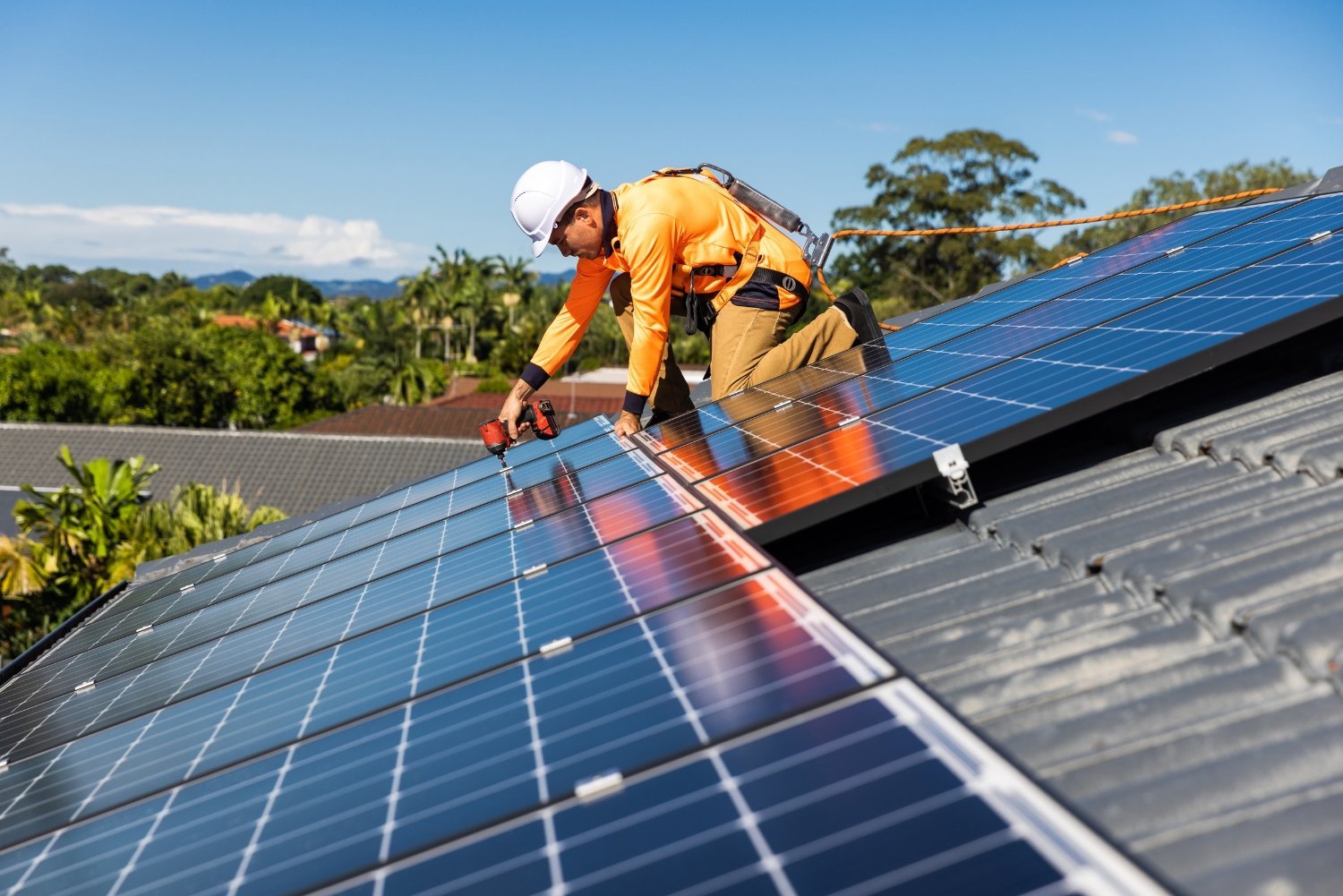
Solar power plants are significant investments, and over time, components such as panels, inverters, and wiring can age or degrade. Knowing when to repair versus replace these components is crucial to maintain power generation, system efficiency, and long-term savings.
This guide explores the key factors that help you make informed decisions about repairing or replacing aging solar components, backed by expert solar maintenance practices.
1. Understanding Solar Component Lifespan
Each part of a solar plant has a different lifespan:
- Solar Panels: 20–25 years
- Inverters: 10–15 years
- Batteries (if included): 5–10 years
- Cables & Wiring: 15–20 years
Age alone doesn’t always dictate replacement; performance, maintenance history, and cost-effectiveness are also important.
Pro tip: Regular solar system check-ups help identify components approaching the end of their useful life.
2. Common Signs a Component Needs Attention
Watch for the following warning signs in your solar plant:
a) Reduced Power Generation
- Panels or inverters underperforming may indicate wear, shading, or faults.
- Small repairs or solar panel cleaning can often restore efficiency.
b) Frequent System Alerts or Errors
- Recurrent inverter errors, alarms, or connectivity issues signal deeper problems.
- Diagnosing with a professional solar maintenance service prevents major failures.
c) Physical Damage
- Cracks, corrosion, or loose connections on panels or wiring.
- Damaged components often require replacement to maintain safety and efficiency.
d) Increased Operational Costs
- If repeated repairs cost more than replacement, consider upgrading the component.
- Balance ROI with system performance and reliability.
3. Repair vs. Replace: Key Cost-Benefit Factors
Making the right choice involves evaluating:
Repair
- When to choose: Minor damage, short-term faults, or isolated panel/inverter issues.
- Pros: Lower immediate cost, quick resolution.
- Cons: May not solve long-term performance decline; recurring issues possible.
Replace
- When to choose: Aging components near end-of-life, extensive damage, or frequent failures.
- Pros: Restores maximum power generation, reduces downtime, increases system lifespan.
- Cons: Higher upfront cost, but better long-term ROI.
4. Solar System Upgrade Considerations
Sometimes, replacing an old component also opens the opportunity to upgrade:
- Higher Efficiency Panels: Newer panels convert more sunlight to electricity.
- Advanced Inverters: Modern inverters support better monitoring, safety, and performance optimization.
- Battery Integration: Adding storage improves energy usage and ROI.
Upgrading as part of replacement ensures your solar plant stays future-ready and efficient.
5. Expert Recommendations
- Regular Inspections: Annual or semi-annual solar maintenance prevents small issues from escalating.
- Track Performance Metrics: Monitor daily energy output and compare with historical data.
- Evaluate Repair Costs vs. System Life: If repair costs exceed 30–40% of replacement cost for a component nearing end-of-life, replacement is preferable.
- Document Maintenance History: Helps technicians make informed decisions during check-ups.
- Use Certified Professionals: Only trained solar service technicians can accurately assess component health and suggest optimal solutions.
6. Preventive Measures to Extend Component Life
- Regular Solar Panel Cleaning: Keeps panels dust-free and maximizes sunlight absorption.
- Proper Wiring Management: Avoid physical damage and short circuits.
- Inverter Cooling: Prevent overheating and ensure safe operation.
- Protective Coatings & Mounting: Shields panels from environmental wear.
- AMC & Professional Support: Long-term maintenance agreements help plan timely repairs and replacements.
Conclusion
Knowing when to repair versus replace solar components is key to maximizing power generation, ROI, and system longevity. Minor issues can often be resolved with repairs and expert solar maintenance, but aging or heavily damaged components usually benefit more from replacement and upgrades.
By monitoring performance, performing regular system check-ups, and following professional recommendations, you ensure your solar plant continues to operate efficiently and sustainably for years to come.