
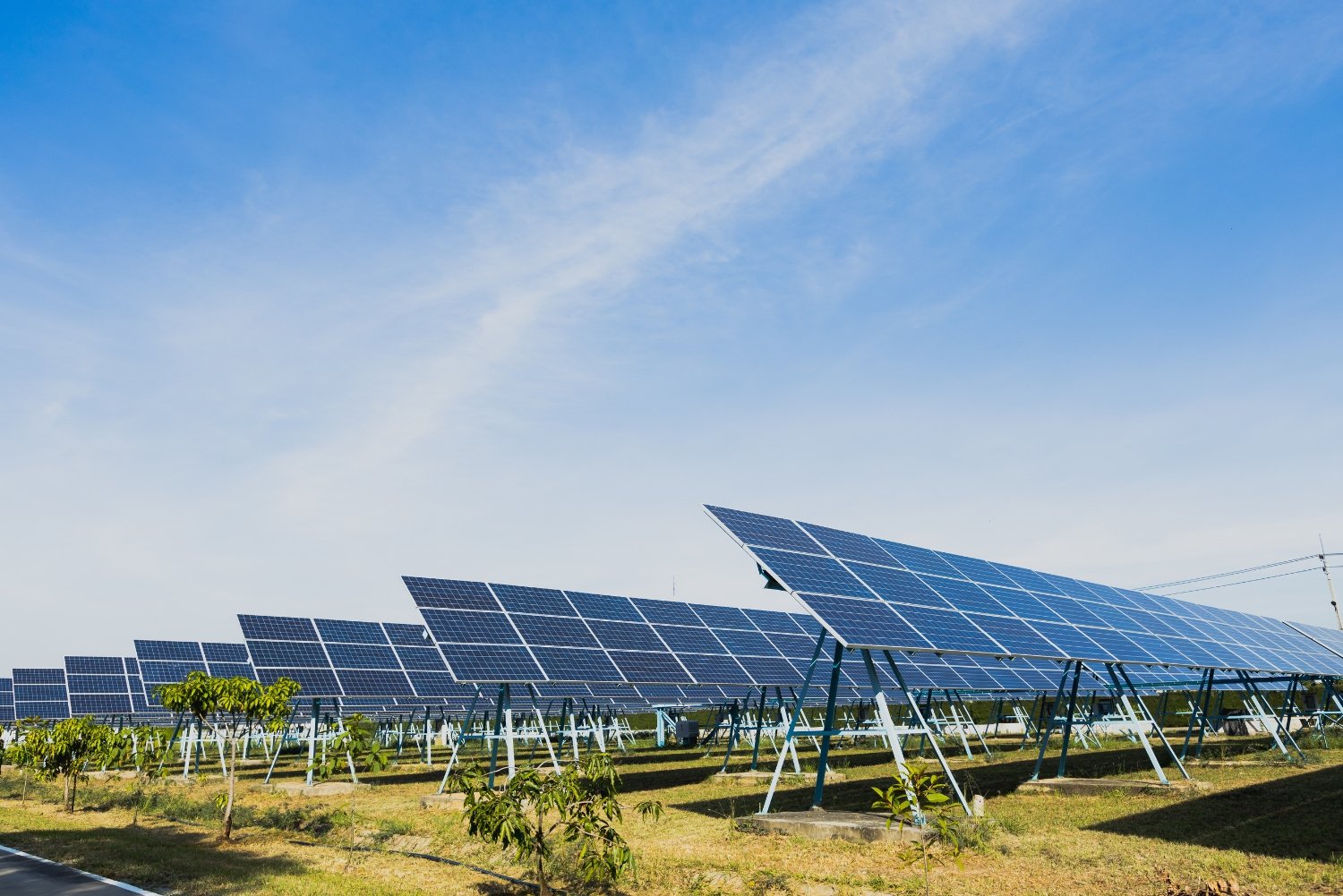
Gujarat’s monsoon and pre-monsoon season are notorious for sudden thunderstorms, powerful winds, and lightning strikes. While these natural phenomena create dramatic skies, they can wreak havoc on solar installations, affecting both residential rooftops and commercial solar plants.
Lightning and surges can damage inverters, panels, and wiring, causing unexpected downtime and significant repair costs. A lightning and surge protection audit ensures your solar system is ready to withstand these natural threats while maintaining solar power generation and system safety.
Why Lightning & Surge Protection Is Critical
1. Electrical Safety Risks
Lightning strikes and power surges can:
- Short-circuit panels and inverters
- Melt wiring insulation
- Trigger ground faults
- Pose fire hazards
Without proper protection, even minor strikes can escalate into catastrophic failures.
2. Financial Implications
Unprotected solar plants can face:
- Inverter or panel replacement costs
- Emergency repair fees
- System downtime affecting energy production
- Loss of revenue for commercial setups
Investing in preventive solar maintenance saves money in the long run.
3. Performance Impact
Surges can reduce solar power generation by:
- Damaging inverter electronics
- Affecting string performance
- Causing inconsistent system output
Even if panels remain intact, system efficiency may drop significantly.
Components of a Lightning & Surge Protection Audit
A comprehensive audit examines your solar plant from every angle:
1. Surge Protection Devices (SPDs)
- Inspect SPDs at inverter inputs and main distribution boards
- Ensure devices are rated for expected lightning activity
- Replace worn or undersized SPDs
2. Grounding & Earthing Systems
- Check resistance levels of earthing connections
- Verify bonding between panels, frames, and electrical enclosures
- Ensure adequate protection against indirect strikes
3. Cable Routing & Insulation
- Identify exposed or vulnerable wiring
- Check insulation quality and connections
- Recommend protective conduits for high-risk areas
4. Inverter & Electronics Inspection
- Confirm inverter surge protection features are operational
- Inspect communication and control circuits for potential vulnerabilities
5. Documentation & Risk Assessment
- Evaluate potential financial and operational losses
- Provide recommendations for upgrades or repairs
- Schedule periodic audits based on storm frequency
Common Oversights in Solar Plant Protection
- SPDs installed incorrectly or not maintained
- Inadequate grounding of panel frames and mounting structures
- Overlooking string-level surge protection
- DIY installations without professional audit
- Ignoring regional lightning data and risk patterns
Each of these gaps increases the likelihood of damage during Gujarat’s thunderstorms.
Preventive Measures for Maximum Safety
1. Install Proper SPDs
- Type 1 and Type 2 SPDs at critical points
- Protect inverters, DC strings, and AC connections
- Ensure devices meet IEC or IS standards
2. Maintain Reliable Earthing
- Low-resistance grounding (<5 ohms recommended)
- Regular inspection post-monsoon or after heavy storms
3. Strengthen Wiring Protection
- Use conduits, armored cables, or UV-resistant insulation
- Avoid low-clearance cable runs vulnerable to lightning
4. Regular Professional Solar Maintenance
- Quarterly or post-monsoon inspections
- Dashboard monitoring for electrical anomalies
- Immediate repairs to damaged SPDs or wiring
Professional audits reduce risks and prolong system life.
Real-Life Impact: Case Example in Gujarat
A 50 kW commercial plant experienced multiple power surges during monsoon thunderstorms:
- Initial damage: inverter electronics and several panel junction boxes
- Action: Full lightning & surge protection audit, SPD upgrades, earthing reinforcement, and professional wiring adjustments
- Outcome: Subsequent storms caused no downtime, maintained full solar power generation, and avoided costly repairs
This highlights the value of proactive audits for high-voltage solar systems.
Integrating Surge Protection into Overall Solar Maintenance
Lightning and surge protection audits should not be standalone:
- Combine with post-monsoon cleaning and inspection
- Incorporate solar system monitoring to detect early electrical anomalies
- Schedule preventive solar maintenance regularly
- Document all audits and upgrades for warranty and insurance claims
Integrated maintenance ensures safety, performance, and longevity.
DIY vs Professional Lightning Protection
While minor grounding checks may be attempted by system owners:
- Professional audits provide expertise in surge ratings, grounding resistance, and compliance standards
- Technicians can implement system-wide protection without risking safety
- Ensures coverage for warranties and insurance
Expert intervention maximizes solar system safety and reduces long-term risks.
Benefits of a Professional Lightning & Surge Protection Audit
- Minimized risk of panel, inverter, or wiring damage
- Continuous, reliable solar power generation
- Reduced emergency maintenance costs
- Enhanced operational safety and compliance
- Peace of mind during Gujarat’s unpredictable thunderstorms
Final Thoughts: Don’t Gamble with Gujarat’s Storms
Lightning and power surges are unpredictable, but damage is preventable. A professional lightning and surge protection audit ensures:
- Proper SPDs and grounding
- Electrical and structural integrity
- Maximum solar power generation
- Longevity of solar assets
By prioritizing preventive solar maintenance, you protect both your investment and your safety.