Solar energy is designed to be a clean, reliable, and long-term solution for energy needs. However, even the most robust solar systems are vulnerable to external threats—particularly from rodents like squirrels.
Rodents may seem harmless, but they can cause severe solar cable damage, roof leaks, and reduced solar power generation. Ignoring rodent activity can escalate minor nibbles into expensive repairs and system downtime.
This article explores why squirrels attack solar cables, how to prevent damage, repair strategies, and the role of professional solar maintenance in protecting your investment.
Why Rodents Target Solar Systems
Rodents are attracted to solar installations for several reasons:
- Warm rooftops provide cozy nesting spaces
- Cable insulation offers a satisfying chewing material
- Junction boxes and inverter enclosures may hide food or nesting materials
Even small gnaw marks on solar cables can compromise electrical integrity, creating hazards such as short circuits and fire risks.
Common Signs of Rodent Damage on Solar Systems
Homeowners and facility managers should watch for:
- Visible bite marks on cables and wires
- Displaced or chewed junction boxes
- Frayed insulation or exposed wires
- Unexpected inverter alarms
- Reduced solar power generation or inconsistent performance
- Nesting materials under panels or near the roof
Detecting early signs allows for timely intervention, preventing larger damage and costly repairs.
The Risks of Ignoring Rodent Damage
1. Electrical Hazards
Chewed cables expose conductive wires, which can:
- Cause short circuits
- Trigger inverter faults
- Pose fire risks
Ignoring damage increases both safety hazards and repair costs.
2. Reduced Solar Power Generation
Damaged cables can:
- Disrupt string connections
- Reduce panel efficiency
- Cause partial or full system shutdowns
Even minor rodent activity can lead to measurable losses in solar power generation.
3. Roof Damage
Rodents often chew roofing materials, insulation, and sealing compounds. Over time, this can cause:
- Roof leaks
- Structural weakness
- Water ingress affecting panel mounting
Maintaining a strong roof is critical for long-term system stability.
4. Increased Maintenance Costs
Delaying action may lead to:
- Emergency repair calls
- Replacement of cables or junction boxes
- Inverter troubleshooting
- Reinstallation costs
Proactive preventive solar maintenance is far more cost-effective than reactive repairs.
Solutions to Protect Solar Cables and Roof from Rodents
1. Rodent-Proof Cable Management
- Use conduit pipes or cable trays
- Elevate cables where possible
- Seal entry points around junction boxes
- Use bite-resistant cable insulation
Proper cable management reduces access and minimizes damage.
2. Roof and Panel Protection
- Install mesh barriers around edges
- Seal gaps and panel mounting brackets
- Ensure proper roof ventilation without creating rodent entry points
These measures prevent squirrels from nesting under panels or in junction boxes.
3. Regular Solar Maintenance & Inspection
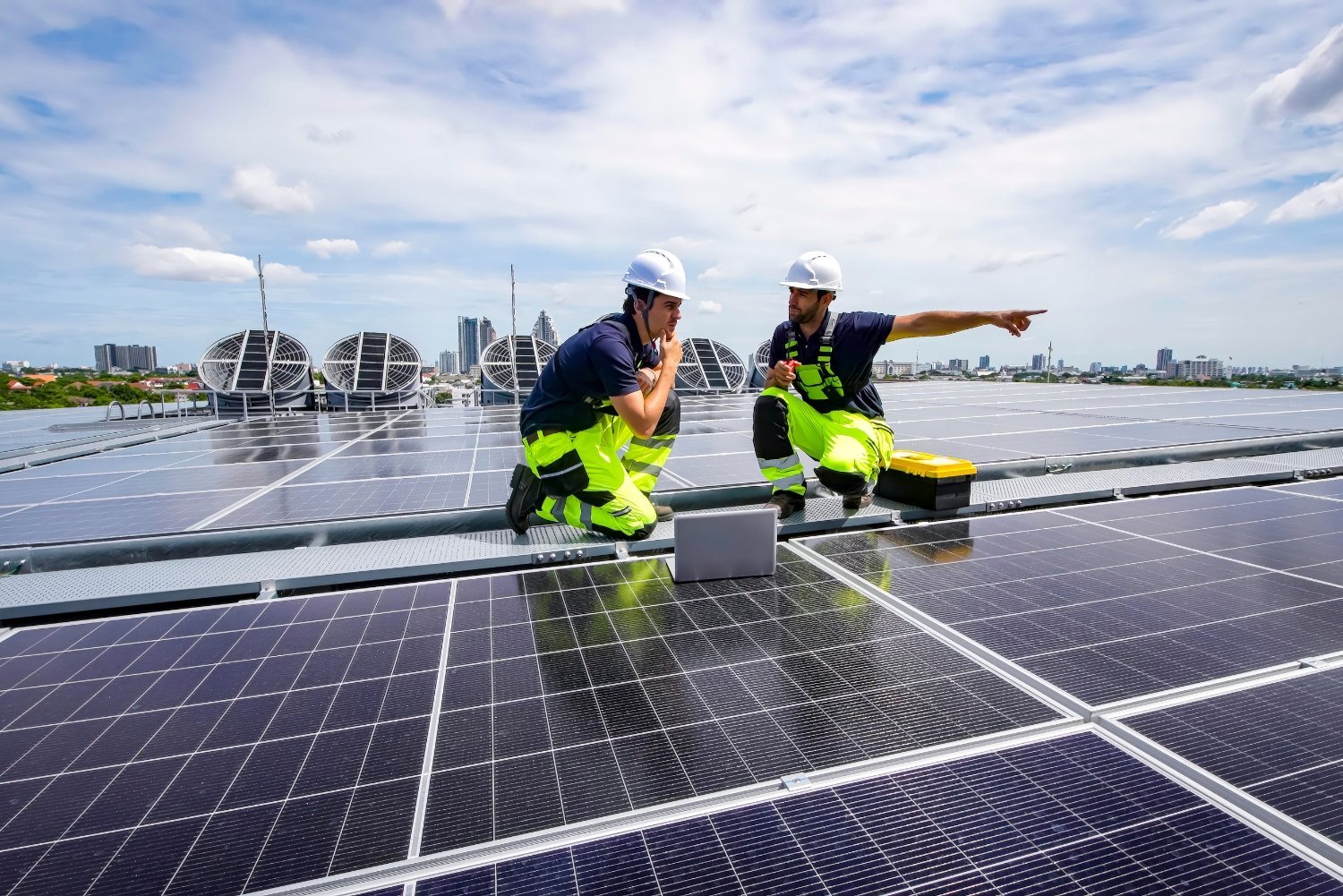
Scheduled solar maintenance visits allow professionals to:
- Check for chew marks or frayed wires
- Inspect junction boxes and cable routing
- Ensure inverter and string performance
- Identify early signs of rodent activity
Professional inspections detect issues before they escalate.
4. Use of Deterrents
- Ultrasonic repellents
- Natural predator deterrents
- Rodent-proof covers for vulnerable areas
These solutions complement physical barriers and reduce rodent intrusion.
5. Quick Repairs and Replacement
When rodent damage is detected:
- Replace chewed cables or junction boxes
- Restore insulation and protective covers
- Re-check system performance
- Update monitoring to detect recurring issues
Fast action prevents further solar system damage and ensures continued power generation.
Case Study: Preventing Squirrel Damage in Residential Systems
In a 10 kW rooftop solar installation:
- Initial signs: Bite marks on DC cables
- Action: Professional soft wash cleaning, cable protection with conduit, mesh installation around panel edges
- Outcome: No further damage in the next 12 months, restored optimal solar power generation, and reduced maintenance calls
This demonstrates the effectiveness of proactive solar maintenance and rodent protection.
Integrating Rodent Protection into Solar Maintenance Plans
A comprehensive preventive maintenance plan should include:
- Quarterly inspections of cables and junction boxes
- Verification of mounting integrity
- Cleaning to detect rodent debris or droppings
- Documentation of any repairs or preventive measures
- Monitoring for recurring activity
Routine inspections ensure early detection, which preserves both system efficiency and safety.
DIY vs Professional Rodent Protection
While minor DIY fixes may help:
- Professional technicians provide durable solutions
- Proper installation of conduits, mesh, and barriers
- Safe handling of electrical components
- Documentation for warranty and insurance claims
Professional intervention ensures lasting protection without compromising safety or efficiency.
The Long-Term Benefits of Rodent Prevention
- Sustained solar power generation
- Reduced emergency repair costs
- Extended solar panel and inverter lifespan
- Improved safety for your property and roof
- Peace of mind for homeowners and businesses
Investing in preventive measures and professional solar maintenance pays off over the system’s lifetime.
Final Thoughts: Protect Your Investment from Rodent Damage
Squirrels and other rodents are a hidden but serious threat to solar systems. Left unchecked, they can cause:
- Electrical hazards
- Reduced power output
- Roof and panel damage
- High repair costs
Proactive measures—including rodent-proof cable management, roof protection, deterrents, and professional inspections—ensure your solar system operates safely and efficiently.
Regular solar maintenance, combined with preventive strategies, keeps your panels and roof protected while maintaining maximum solar power generation.
Because a well-protected solar system is a high-performing and long-lasting investment.